Seiko Prospex LX vs. Swiss Entry Luxury: East vs. West
Does the Seiko Prospex LX line outclass Swiss entry luxury icons? We compare Spring Drive tech, Zaratsu finishing, and value against the Swiss giants.

Feb 14, 2026 - Written by: Brahim amzil
Seiko Prospex LX vs. Swiss Entry Luxury: East vs. West
Yes, in terms of pure technical specification and case finishing, the Seiko Prospex LX line generally beats entry-level Swiss luxury brands. The LX series utilizes the proprietary Spring Drive movement—offering accuracy that mechanical Swiss calibers cannot match—and features Zaratsu polishing, a technique usually reserved for high-horology pieces. While Swiss entry-luxury watches (such as those from Tudor, TAG Heuer, or Breitling) typically hold superior resale value and broader brand recognition, the Prospex LX offers a higher tier of manufacturing complexity and material engineering (titanium) at a similar price point.
The Contenders: Defining the Battleground
It’s the age-old battle of philosophy. On one side, you have the Swiss: guardians of tradition, masters of marketing, and the standard-bearers of “luxury” for the last century. On the other, the Japanese: obsessed with perfection, relentlessly innovative, and often willing to cannibalize their own hierarchy to create a superior product.
When we talk about “Swiss Entry Luxury,” we are casting a net over the $3,000 to $6,000 price bracket. This is the domain of the Tudor Black Bay, the TAG Heuer Aquaracer, the Breitling Superocean, and perhaps the entry-level Omega Seamaster (though Omega keeps creeping upmarket). These are watches bought by people who want status, reliability, and a recognizable logo.
Then enters the Seiko Prospex LX.
This isn’t your standard turtle or samurai that you pick up for a few hundred bucks. The LX line was designed by Ken Okuyama—the man behind the Ferrari Enzo. It is essentially a Grand Seiko in a sportier, more aggressive skin. It sits in that same $5,000 range, creating a direct conflict. Do you buy the badge everyone knows, or the movement that changed horological history?
The Engine Room: Spring Drive vs. The Swiss Anchors
If you strip away the marketing fluff and look strictly at what makes the hands move, this isn’t a fair fight. It’s a slaughter.
The Swiss entry-luxury segment relies heavily on reliable, industrial-grade movements. Tudor uses Kenissi movements (which are excellent, don’t get me wrong), TAG Heuer often relies on modified Sellita or ETA bases in their lower tiers, and Breitling is a mix of both. These are traditional lever escapements. They tick. They have a beat error. They are susceptible to gravity, temperature, and shock in ways that have been managed but not eliminated since the 1700s.
The Prospex LX uses the Spring Drive (specifically the 5R65 or 5R66 calibers).
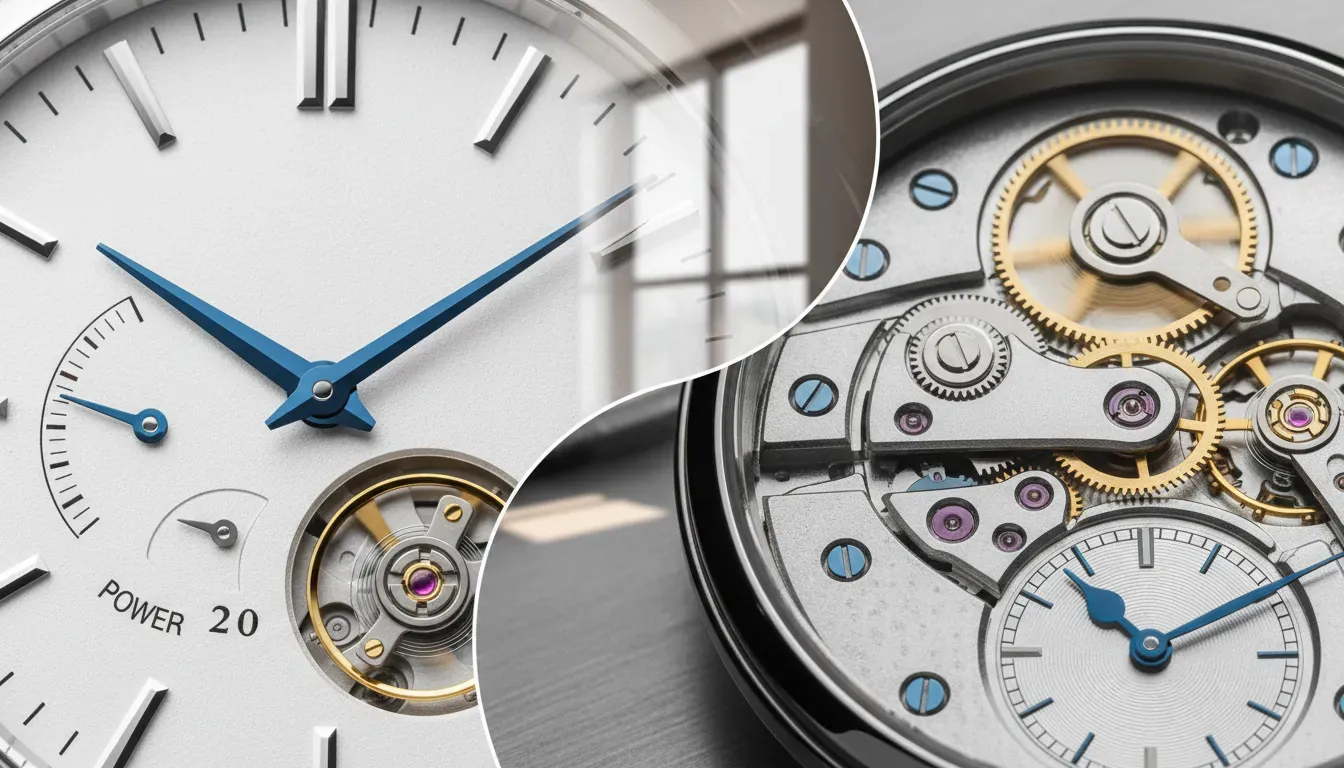
This is where Seiko drops the hammer. Spring Drive is the only major leap in watch movement technology in the last 40 years. It generates power like a mechanical watch (mainspring) but regulates time with a quartz crystal and an electromagnetic brake. The result? A seconds hand that doesn’t tick. It glides. It flows perfectly smooth, reflecting the true nature of time.
Accuracy Comparison
- Swiss Entry Luxury (COSC Certified): -4/+6 seconds per day.
- Seiko Prospex LX (Spring Drive): +/- 1 second per day (often +/- 1 second per week in reality).
You are getting a movement that is arguably superior to what is found in Swiss watches costing three times as much. The only downside? Servicing a Spring Drive is a specialized affair that usually requires a trip back to Japan or a major service center, whereas any competent watchmaker can service an ETA 2824.
Case Architecture and The “Zaratsu” Edge
Pick up a standard Swiss diver. Run your thumb over the lugs. It’s likely brushed, maybe with a polished chamfer. It feels solid. It feels like a tool. It’s industrial luxury.
Now, pick up a Prospex LX.
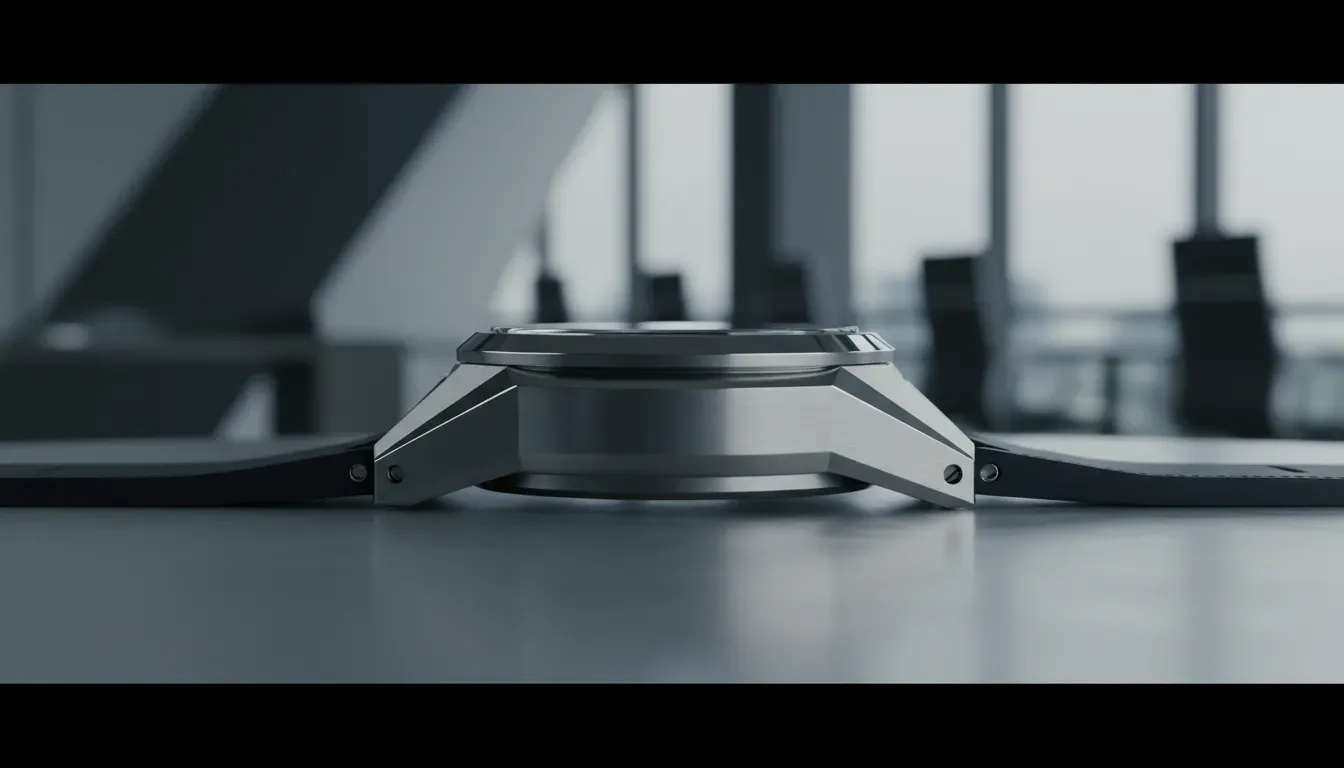
Seiko employs a polishing technique called Zaratsu. Historically used for katana blades, this method involves polishing the case against a rotating tin plate at a very specific angle. It creates a distortion-free, mirror-like surface. When you look at your reflection in the side of an LX case, it’s like looking into a glass mirror. When you look into the side of most Swiss divers, your reflection looks like a funhouse mirror.
Material Science: Titanium vs. Steel
Most Swiss competitors in this bracket are using 316L Stainless Steel. It’s heavy, durable, and shiny. The LX line is almost exclusively crafted from High-Intensity Titanium with a super-hard coating (Diashield).
Titanium is notoriously difficult to polish. Most brands leave it dull and grey. Because of the Zaratsu technique and their hard coating, Seiko makes titanium look like white gold. It’s light on the wrist (crucial for big divers) but looks like heavy steel.
- Swiss Approach: “If it ain’t broke, don’t fix it. Steel is real.”
- Seiko Approach: “Let’s make a metal that is 40% lighter but harder than steel, and polish it until it blinds you.”
If you prioritize wearing comfort and scratch resistance, the East takes the point here.
TAG Heuer Aquaracer Professional 300
The “Swiss Made” Brand Power
Here is the cold shower for the Seiko enthusiasts. You cannot wear a spec sheet to a dinner party.
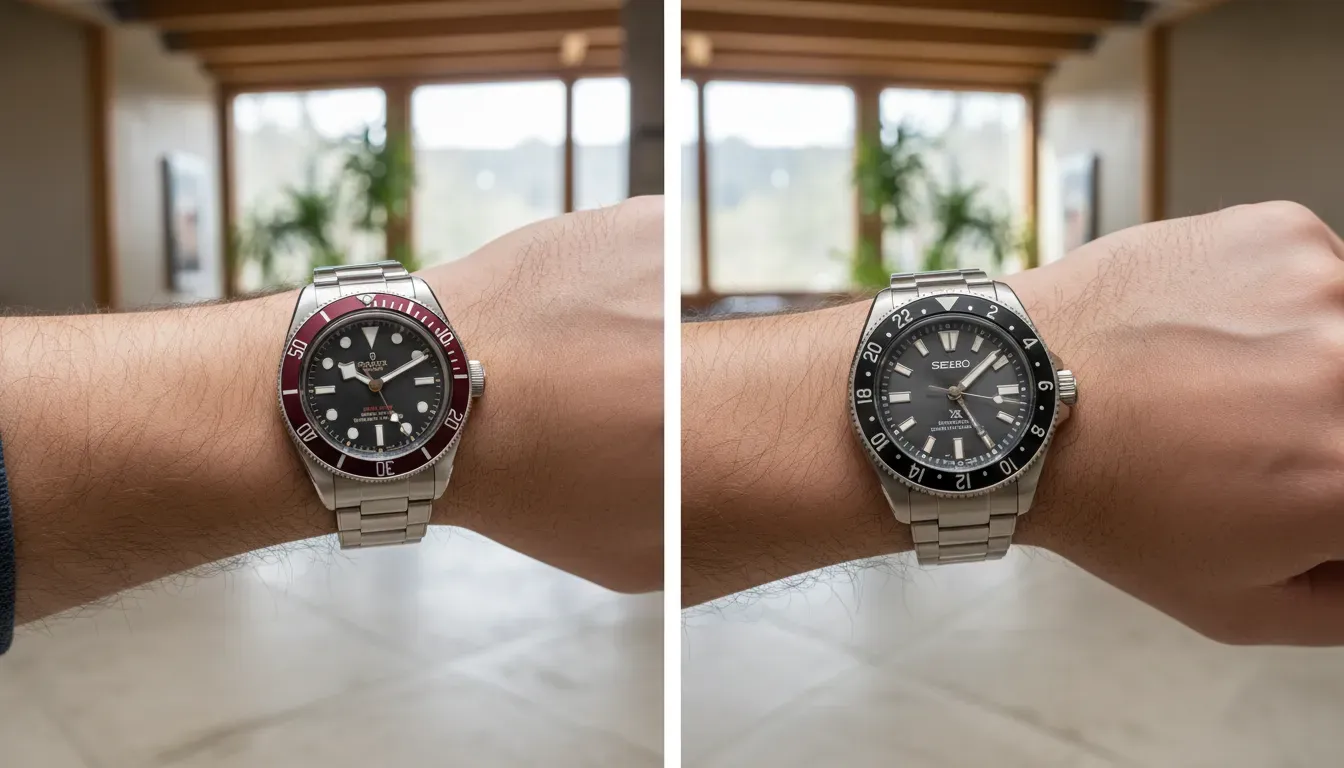
We have to talk about perception. If you walk into a boardroom wearing a Tudor Black Bay or an Omega Seamaster, people nod. They understand. You have “made it” to a certain degree. You are part of the club.
If you walk in wearing a Seiko Prospex LX, 99% of people will see the word “SEIKO” and assume you are wearing a $300 watch you bought at a department store. Only the 1%—the true watch nerds—will spot the glide of the seconds hand, the broad stance of the case, and the stunning finishing. They will know you spent $5,000 on a Seiko, and they will respect you for it.
But you have to be comfortable with that.
Buying Swiss entry luxury is safe. It’s liquid. You can sell a Tudor Black Bay 58 tomorrow afternoon and lose very little money. It is currency. Buying a high-end Seiko is a commitment. It’s a choice you make for yourself, not for the validation of others.
Value Retention and The Market Reality
This brings us to the financial aspect of the hobby. We hate to view watches as investments, but nobody likes lighting money on fire.
Swiss watches in this tier benefit from decades of aggressive brand positioning. A Rolex Submariner lifts the tide for Tudor. The history of the Moonwatch lifts the tide for all Omegas. As a result, the depreciation curve on these watches is relatively shallow.
Seiko, despite its history, suffers from a confused hierarchy. Because they sell watches for $100 and watches for $50,000, the general market struggles to value the middle ground.
If you buy a Seiko Prospex LX brand new at retail price, expect to take a hit if you try to flip it six months later. We’re talking a potential 30-40% drop immediately. However, this creates a massive opportunity for the savvy buyer. Picking up a pre-owned LX allows you to own world-class finishing and a Spring Drive movement for a fraction of the price of a Swiss equivalent.
The “Value” Hack:
- Buying New? Swiss Entry Luxury is the safer bet for asset retention.
- Buying Pre-Owned? The Seiko Prospex LX offers arguably the best bang-per-buck in the entire watch industry.
Design Language: Ken Okuyama’s Vision vs. Heritage Reissue
Swiss brands are currently stuck in a “Heritage Trap.” Look at the catalogs. Almost everything is a reissue of a watch from 1958, 1965, or 1970. Faux-patina (fauxtina) lume, riveted bracelets, and smaller case sizes are the trends. They are looking backward.
The Prospex LX looks forward.
Ken Okuyama designed this line to look fast, modern, and aggressive. The center of gravity is lower. The angles are sharper. It doesn’t look like a vintage skin diver; it looks like a piece of equipment that belongs on the wrist of a saturation diver in 2050.
The LX series is large—44.8mm usually. In the Swiss world, big watches are currently out of fashion, with trends moving toward 39mm and 40mm. If you have a smaller wrist, the Swiss options (like the Black Bay 58 or the 36mm Seamaster) will fit you better physically. The LX uses its titanium lightness and curved lugs to “shrink” on the wrist, but it is still a beast. It has presence. It demands attention.
For more on sizing and fit, check out our guide on how to measure lug-to-lug distance.
Verdict: The Heart vs. The Head
So, does the East beat the West?
If you are an engineer, a perfectionist, or someone who values raw technological superiority, the Seiko Prospex LX wins. It is simply a better-made object. The finishing is cleaner, the movement is more advanced, and the materials are more exotic. It is a Grand Seiko in disguise, capable of handling the bottom of the ocean.
However, if you are a social creature, an investor, or someone who values classic proportions and brand cachet, Swiss Entry Luxury wins. A Tudor or Omega will fit under a shirt cuff easier, will be recognized by your peers, and will hold its value better when you decide to trade it in for your next piece.
The Bottom Line: Buy the Swiss watch to impress your boss. Buy the Seiko Prospex LX to impress yourself.