vintage watch
A data-driven, compelling summary of vintage watch.

Apr 30, 2026 - Written by: Brahim amzil
vintage watch
A vintage watch is typically defined as a mechanical timepiece that is at least 20 to 25 years old. These classic investments offer unique historical provenance, exquisite craftsmanship, and undeniable style, making a vintage watch the ultimate accessory for collectors and high-intent buyers alike.
There is a distinct magic in strapping a piece of history to your wrist. You aren’t just telling time. You are wearing a mechanical heartbeat that has survived decades of changing trends, technological revolutions, and daily wear. The hunt for the perfect piece requires patience, knowledge, and an understanding of horological nuances. Whether you are a seasoned collector tracking down a rare tropical dial or a newcomer wanting to escape the sterile perfection of modern smartwatches, understanding the landscape is crucial.
Navigating the pre-owned and antique horology market can feel like walking through a minefield of over-polished cases and replacement dials. We need to cut through the noise. We will examine the core components of buying, maintaining, and understanding these miniature machines. Let’s dig into the details.
What Defines a True vintage watch?
Age is the most obvious metric, but it only tells half the story. Most collectors agree that any timepiece produced before 1990 firmly falls into the vintage category. Pieces from the 1990s and early 2000s are often dubbed “neo-vintage,” serving as a bridge between classic aesthetics and modern manufacturing techniques like sapphire crystals and improved luminous materials.
A true vintage watch represents an era before the Quartz Crisis nearly obliterated the mechanical watch industry in the 1970s and 1980s. These pieces were assembled by hand, featuring intricate mechanical movements, acrylic or plexiglass crystals, and dials painted with radium or tritium—materials that age and develop a unique “patina” over time. This patina is exactly what modern collectors covet. No two pieces age exactly the same way. Sun exposure, humidity, and wear create a unique visual fingerprint on every single dial.
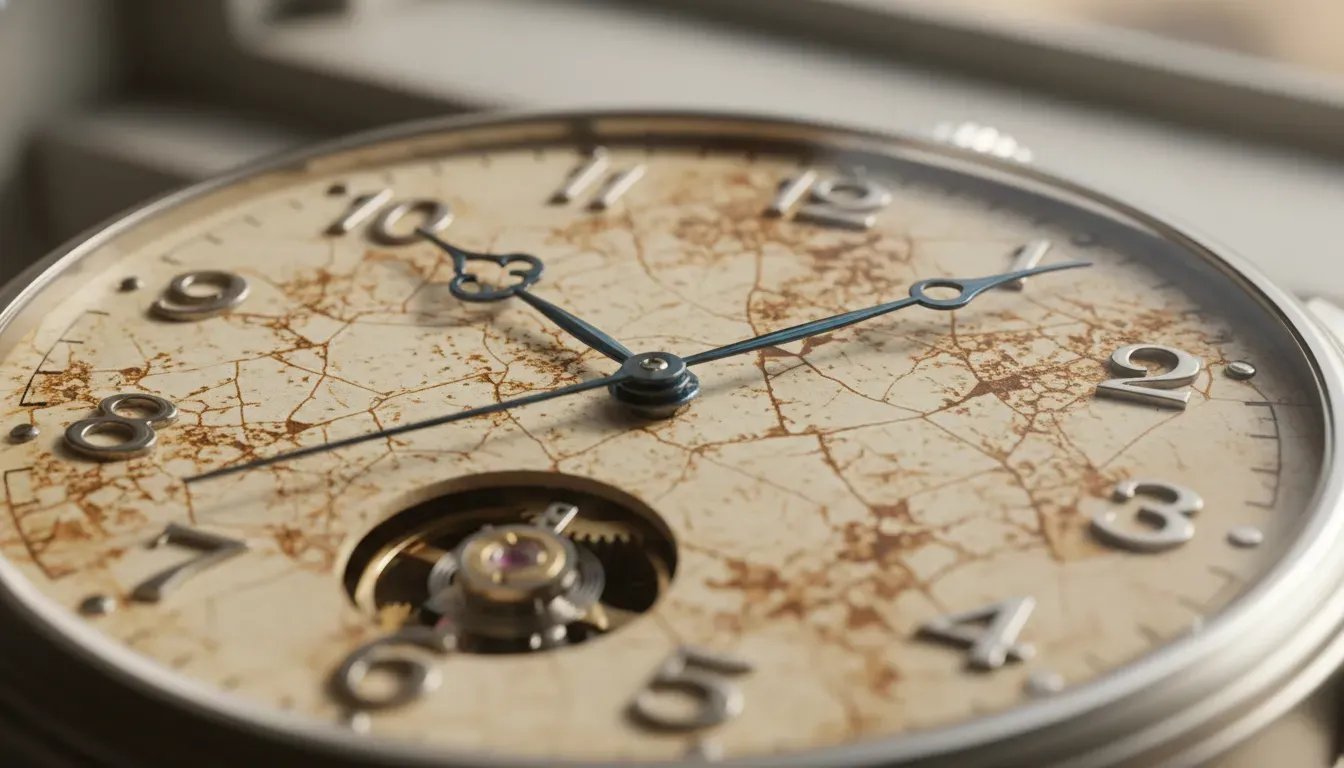
When you look at a vintage watch, you are observing the industrial design language of a specific decade. The Art Deco elegance of the 1930s, the rugged military utility of the 1940s, the elegant minimalism of the 1950s, or the funky, bold geometry of the 1970s. Each era offers a completely different vibe for the wearer.
The Ultimate vintage watch Comparison Guide
To help you narrow down your search, you need to understand the primary categories of classic timepieces. Buyers face a dizzying array of options, from robust dive watches designed for sub-aquatic exploration to ultra-thin dress watches meant to slip seamlessly under a tuxedo cuff.
| Watch Category | Defining Era | Key Characteristics | Estimated Entry Price | Best Suited For |
|---|---|---|---|---|
| Dress Watches | 1950s - 1960s | Thin profile, precious metals, minimalist dials, leather straps. | $300 - $1,500 | Formal events, office wear, subtle elegance. |
| Dive Watches | 1960s - 1970s | Rotating bezels, thick cases, high-contrast luminous dials, water resistance. | $500 - $3,000+ | Casual wear, weekend adventures, desk diving. |
| Chronographs | 1960s - 1980s | Stopwatch functionality, sub-dials, tachymeter scales, complex movements. | $800 - $5,000+ | Motorsport enthusiasts, technical aesthetics. |
| Field Watches | 1940s - 1950s | Canvas or NATO straps, legible Arabic numerals, rugged stainless steel. | $200 - $1,000 | Everyday beaters, outdoor activities, vintage military fans. |
Understanding these categories ensures you spend your budget on a piece that actually fits your lifestyle. A gold dress watch might look stunning in a display case, but if you spend your weekends hiking, a sturdy 1970s steel diver will serve you much better.
Pros & Cons of Investing in a vintage watch
Every high-intent buyer needs to weigh the realities of owning older mechanical items. They are not grab-and-go digital gadgets. They require care, attention, and an appreciation for their mechanical limitations.
The Pros:
- Unique Aesthetics: The aged lume (often turning a warm vanilla or pumpkin orange) and faded bezels cannot be replicated by modern factories, no matter how hard they try with “fauxtina.”
- Value Retention: Unlike modern pieces that often lose value the moment you walk out of the boutique, a well-bought vintage watch has already experienced its depreciation. Many actually appreciate over time.
- Smaller Proportions: Classic watches typically range from 34mm to 38mm, offering a much more refined and comfortable fit compared to modern 42mm+ behemoths.
- Historical Connection: Owning a piece that might have timed a 1960s motorsport race or served in a mid-century military branch brings unparalleled conversational value.
The Cons:
- Fragility: Decades-old movements lack modern shock absorption. Dropping one can result in a hefty repair bill.
- Zero Water Resistance: Even if it says “Waterproof” on the dial, do not trust 40-year-old gaskets. Keep them far away from pools, showers, and heavy rain.
- Maintenance Costs: Finding replacement parts for obscure calibers can be a nightmare. Servicing often costs more than the watch itself if you buy at the entry level.
- Accuracy: A vintage mechanical movement will rarely keep COSC-certified time. Expect to lose or gain up to a minute a day depending on the condition.
Essential Buying Signals for a vintage watch
When you are ready to pull the trigger, the market can be unforgiving. Knowledge is your best defense against bad investments. Pay attention to the concept of “originality.” In the vintage world, a watch with a scratched case and a faded dial is vastly preferred over one that has been polished to a mirror shine and fitted with modern replacement hands.
The “Unpolished” Premium
Polishing removes metal. Over decades, aggressive polishing will round off the sharp, factory-finished edges of a case, ruining its original geometry. Collectors pay massive premiums for cases that remain unpolished, even if they are covered in superficial scratches. Scratches tell a story; altered metal just looks sad.
Dial Condition is King
The dial accounts for up to 80% of a vintage watch’s value. You want to look for original finishes. Beware of “redials” (where a third party has repainted the dial to make it look new). Redials destroy the collector value of the timepiece. Look closely at the fonts—are they crisp? Does the luminous material on the hands match the luminous material on the dial markers? If the hands glow brightly in the dark but the dial does not, the hands have been replaced.
Matching Numbers and Documentation
While box and papers are rare for watches from the 60s and 70s, having them adds a massive premium. Even without them, you must ensure the reference number on the case matches the serial number’s production year, and that the correct movement caliber is inside.
The Role of Provenance and Community
Part of the appeal of these timepieces is the vibrant community surrounding them. Forums, Instagram pages, and local meetup groups are invaluable resources. Before purchasing a specific reference, search for it on dedicated collector forums. The collective knowledge of these communities can help you spot a “Frankenwatch” (a watch assembled from mismatched parts of different models) from a mile away.
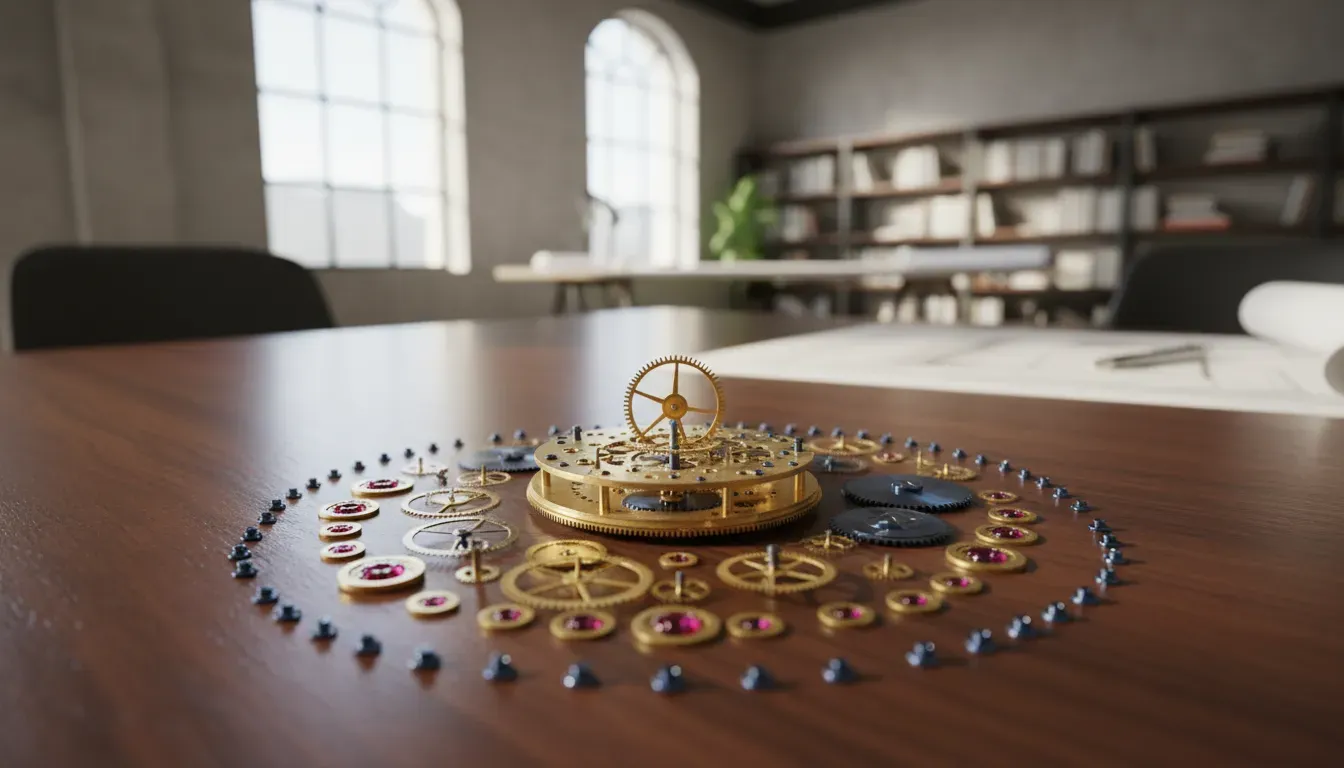
Taking care of your investment also requires knowing the right people. You will need a trusted, independent watchmaker. Sending a vintage piece back to the original manufacturer can sometimes result in tragedy—some modern service centers have a policy of replacing old, patinated dials and hands with brand-new service parts, instantly wiping out the watch’s vintage appeal and monetary value. A good independent watchmaker knows to focus on stabilizing the movement while leaving the aesthetics entirely alone.
If you are just starting to build out a broader appreciation for physical investments, you might want to check out our related guides on protecting delicate collectibles or dive deeper into mechanical watch movements to understand the gears and springs powering these beauties.

Understanding Market Valuations
Pricing in the vintage horology space is highly subjective. A minor printing error on a dial—such as a specific line of text printed in red instead of white—can double the price of the watch. This hyper-specific market nuance is what makes the hobby both thrilling and dangerous.
To protect yourself, track prices using aggregated market data platforms. Look at completed auction results rather than active listing prices. Dealers often price pieces with a 20-30% markup expecting negotiation. Buy the seller before you buy the watch. A reputable dealer who offers a mechanical warranty and an authenticity guarantee is worth paying a premium for, especially on your first few purchases.
Expert Verdict: Is a vintage watch Right for You?
Owning a vintage watch is a deeply rewarding experience, but it requires the right mindset.
The Final Verdict: If you are seeking a flawless, hyper-accurate, and waterproof daily companion that you can bang against doorframes without a second thought, look elsewhere. Modern watches are built for that. However, if you value history, unparalleled character, and the romanticism of a mechanical object that has outlived its original era, buying a vintage watch is highly recommended.
Start your journey with a robust, entry-level piece from the 1960s or 70s—perhaps a classic manual-wind chronograph or a simple three-hander from a respected but undervalued brand. Learn its quirks, find a good watchmaker, and enjoy the feeling of wearing true horological art on your wrist.